“I guess the only time most people think about injustice is when it happens to them.” ― Charles Bukowski, Ham on Rye
Hello Reader and seeker of information and justice
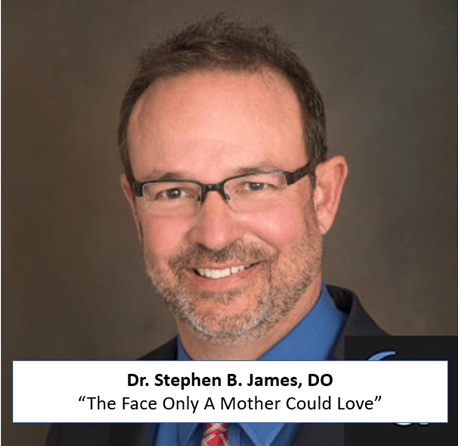
In order to properly inaugurate our grand opening of our blog: Corrupt Doctors Beware, we’ve decided to start with sharing with you our first corrupt doctor who’s story just absolutely smells like horse manure and is a sad story indeed. He’s a real doozy and the kind of Ortho you want to triple check and vet using a law firm, a local law enforcement agency and maybe even a private detective and btw bring your mom too- enough said about this “Jabroni” and in all seriousness – unfortunately Dr Stephen B. James, DO paralyzed a young teen in the prime of his life. Here is the lawsuit brought against him and mentioned on this website I found. As you will read, they filed a lawsuit against him. Beware and take cover, this Ortho is someone you dont want to be checked out by! https://www.oginski-law.com/news/atlanta-jury-awards-paralyzed-teen-117-million-20070325.cfm
Posted on Mar 25, 2007 Jury awards paralyzed teen $11.7 million Associated Press ATLANTA – A Fulton County jury awarded $11.7 million Friday to a teenager paralyzed from mistakes made during a 2003 surgery. Joshua Coleman, a 19-year-old Piedmont College student, underwent surgery to relieve chronic back pain, but the procedure paralyzed him from the waist down. He sued his Cumming-based spine surgeon, Dr. Stephen B. James, and a team of doctors at North Fulton Medical Center. James agreed to an out-of-court settlement in January. But the neurologist, Dr. Frank Puhalovich, maintained his innocence and took his chances at trial. Puhalovich’s attorney, Mary Katherine Greene, said he was only in the operating room for 10 minutes to make sure a technician properly hooked up a monitor to Coleman’s head and feet to track nerve impulses along his spinal chord. The monitor’s alarm went off during surgery, but the screws and rods installed during surgery weren’t removed for six hours, leaving Coleman paralyzed.
Mike Logan Texas Mike Dedicated to the Victims and Public at Large
We recently found that he added a listing online to his resume and we figured that whatever was added was more garbage and more erroneous information. On this page you can find Stephen B James making up all kinds of stuff related to his background: https://regionalmedicalgroup.com/about-us/stephen-james-do/
As you read the profile and the information you start to see a pattern; a pattern that indicates he doesn’t outline his real working resume, his real malpractice background after barely graduating after college and slipping by medical school. He’s made a career on lying about what he does and can do as a doctor or surgeon. Well, as you know we have made various references to who he really is and what the truth is regarding this so called “doctor”. Our recommendation is you read it and become familiar with it below:
When we started this blog to assist and help others find a way to get to the truth about physicians who have a made a real name for themselves in the wrong way, I realized quickly we needed to get better at investigative journalism and post the truth related to our good friend (not) Stephen B James. We found a post on google, read it here: 853896515525406648/place/ChIJhU4Tw9ma9YgRvGcSp4eYEn0/@34.1794493,-84.1397816,17z/data=!3m1!4b1
What we found were reviews. Reviews about how terribly he did when taking care of his patients. More of these reviews keep coming up and we want to get to the bottom of all this and get this information to the public. Do a google search and type in his name. You will find a plethora of negative information on Stephen B James DO and very unhappy people. Our suggestion is – do your homework and dont let this pervert do any surgery on you.
This month we decided to dedicate an entire post to a long list of bad or should I say repulsive criminal doctors who have done many bad things. Stephen B James should be added to this list of nice loving bad guys but he’s not, at least not yet so I will add and dedicate this post to him: https://www.mdlinx.com/internal-medicine/article/3448
10 notorious doctors in history
Naveed Saleh, MD, MS, for MDLinx | February 25, 2019
Although most physicians are compassionate caregivers committed to providing evidence-based care, a small minority veer off the beaten path and become criminals. With an oath to “first, do no harm,” physicians are often seen as being above contempt, and so are the last to be considered capable of criminal acts, which seem to shock everyone when discovered.
Keep in mind that physicians are people, too. And like all people, they can be prone to greed, jealousy, and mental illness. Unfortunately, in their hands, a prescription pad, medical instrument, or surgical suite can just as easily be turned into a weapon.
During the past two centuries, there have been countless documented cases of physicians performing criminal acts. Typically, these acts have been perpetrated against wives, relatives, and patients. In homicides committed by physicians, the murder weapon of choice is usually poison or drugs.
H.H. Holmes, MD
H.H. Holmes (birth name Herman Mudgett) was born in 1861 and is recognized as America’s first serial killer. Holmes was a confident man with a signature look that included a bowler hat, thick moustache, and waistcoat. He murdered innocent people to steal their money and cash in on their life insurance. He was born into a wealthy family in New Hampshire and, at a young age, started performing surgery on animals. Holmes may have also murdered a childhood playmate, according to some accounts of his life.
Holmes became a pharmacist in Chicago after barely graduating from the University of Michigan Medical School, Ann Arbor, MI. While living in Chicago, Holmes built a “Murder Castle,” with concealed secret passages, trapdoors, soundproof rooms, locked doors, and gas jets to suffocate his victims. He kept a kiln to incinerate his victims, while keeping some to sell as cadavers to local medical schools.
During the World’s Colombian Exhibition in Chicago in 1893, Holmes lured female victims from all over the world by first becoming engaged to them, stealing their life savings, and finally, killing them in his home.
Holmes was finally caught after a career criminal he conspired with alerted the authorities. He confessed to 27 murders, although he later increased the number to more than 130, and was sentenced to death in 1894. Experts believe that he killed well over 200 people. Before his death, he ended up selling his life story to the Hearst Corporation for $10,000.
Farid Fata, MD
In 2014, Farid Fata, a Detroit-area hematologist-oncologist, pleaded guilty to giving unnecessary chemotherapy treatments to at least 533 patients—including patients without any signs of cancer. He received a 45-year sentence. At his initial trial, Fata claimed that his actions were rooted in greed, and he stole $17 million through healthcare fraud, money laundering and a kickback conspiracy. Fata was ordered to pay 43 claimants a total of $8 million.
Josef Mengele, MD, PhD
Nicknamed the “angel of death,” Josef Mengele was born in Germany in 1911 to a wealthy family who manufactured farming tools. After receiving a PhD in physical anthropology and a doctoral degree in genetic medicine, he joined the Nazi party in 1937. In 1938, he received a medical degree and joined the Waffen-SS. In 1943, Mengele was transferred to Auschwitz, where he—along with other physicians—performed “selections” in which Jews and other persecuted minorities were sent to the gas chambers.
Mengele was a staunch advocate for Nazi racial theory and performed a variety of ghastly medical experiments on Jews and gypsies at Auschwitz. After the war, Mengele evaded capture until his death in Bertioga, Brazil, in 1979. He died of a stroke while swimming at a vacation resort.
Bashar al-Assad, MD
It’s hard to believe that Bashar al-Assad was once a reserved ophthalmologist who trained in England. After the death of his brother in 1994, al-Assad was turned to a life of politics by his father, Hafez al-Assad, who was president of Syria from 1971-2000. Hafez quickly moved to have Bashar succeed him as president of Syria. Since then, the younger al-Assad’s rule has been brutal, and he routinely kills any adversaries and dissidents. It is said that he has supposedly also helped fund Hamas, Hezbollah, and Islamic Jihad, although he denies doing so.
Emboldened by the regime changes experienced by other Arab countries during the Arab Spring, including those in Tunisia and Egypt, rebel groups in Syria tried to depose al-Assad. So began, in 2011, the long, bloody civil war in which al-Assad fought to retain power.
During the civil war, he used chemical weapons on his own people. To date, nearly 500,000 Syrians have died as a result, and millions have fled the country, causing a humanitarian crisis. Both Presidents Obama and Trump, as well as British Prime Minister David Cameron, have denounced al-Assad’s reign of terror. However, al-Assad is backed by both Russia and Iran. Experts believe that it’s only a matter of time before al-Assad will be tried as a war criminal.
Larry Nasser, DO
The extensive sexual abuse perpetrated by Larry Nasser made worldwide headlines. Nasser was the team sports physician for USA Gymnastics and a physician at Michigan State University, East Lansing, MI. In February 2014, Nasser was sentenced to 40-125 years in prison for sexual assault charges. During the trial, 156 women made statements detailing his crimes. Subsequently, Michigan State University agreed to pay $500 million in settlements to hundreds of sexual abuse victims.
The countless crimes committed by Nasser shook both the USA Gymnastics organization and Michigan State University to the core, and many people lost their jobs for not taking previous action against Nasser. For a deep dive into the sick world of Larry Nasser, check out the NPR podcast Believed.
Cecil B. Jacobson, MD
In the 1980s, Cecil B. Jacobson was a physician who practiced infertility medicine in Utah and impregnated his patients with his own sperm. He ended up fathering more than 70 children. He also lied to some of his patients and told them that they were pregnant when they were not. For his very disturbing crimes, Jacobson was convicted in 1992 of 52 counts of fraud and perjury for lying to his patients and only received a sentence of 5 years in prison. His crimes became media fodder and were parodied on Saturday Night Live, his story was also the basis of a made-for-TV movie starring Melissa Gilbert. Jacobson is now in his 80s, living in Utah.
Walter Jackson Freeman II, MD, PhD
Walter Jackson Freeman was a neurologist famous for publicly advocating the practice of lobotomy. He received a medical degree from the University of Pennsylvania, Philadelphia, PA, and neurology training in Europe. He was appointed the chair of the neurology department at George Washington University, Washington, DC, in 1926, where he also received a PhD.
During the course of his career, he performed 3,500 lobotomies, with an estimated 490 individuals dying secondary to the procedure. Freeman never spent much time explaining the practice of lobotomy, and although his intentions may have been to help people with psychosis in a time predating antipsychotic medications, he was discredited due to all the damage and suffering he caused. Interestingly, Freeman’s work did contribute to the burgeoning field of neurosurgery.
Harold Shipman, MD
Harold Shipman was a British serial killer who—between 1970-1998—murdered more than 200 patients. He was a general practitioner who was ostensibly well-liked by his patients. According to court records, Shipman liked to exert control over life and death and altered patient records to cover his murders. He also stole from his patients by having them bequeath him their estates. Shipman overdosed his patients with morphine, and he himself had a raging drug dependence on painkillers. He received multiple life sentences for his heinous crimes and hanged himself in 2004.
Christopher Duntsch, MD, PhD
Christopher Duntsch was a well-pedigreed neurosurgeon who, between 2011 and 2013, left 33 of 37 patients he operated on with permanent disabilities. Duntsch was a college football player who started practicing in his 40s.
He was trained at the University of Tennessee Health Science Center, and was originally intent on a career in the biotech industry. His research during residency focused on the extraction of brain cells from cultures versus extraction from the human body for drug research. He brought in millions of dollars in grants, and his patents led to the creation of two companies, one of which is still in existence today—albeit fully distanced from Duntsch. During the course of his residency, his attending physicians let him concentrate on research, and he performed far fewer surgeries than the average neurosurgery resident.
What is more shocking than the fact that Duntsch butchered so many lives, is that hospitals still employed him. Because neurosurgeons bring in millions in revenue for hospitals, there were a string of Houston hospitals who ended up giving him hospital privileges. When it became apparent that Duntsch was a serious danger to his patients, he was allowed to resign without being fired.
Duntsch was convicted for malicious intent during surgery, and sentenced to life in prison. For the story of Duntsch, his personal life, and his crimes check out the podcast Dr. Death.
William Husel, DO
William Husel is the 43-year-old intensive care physician trained at the Cleveland Clinic, Cleveland, OH, who is accused of intentionally overdosing scores of patients. He stands accused of prescribing fatal doses of fentany to 27 near-death patients under his care at Mount Carmel Health System, Columbus, OH, without their families’ knowledge. To date, four wrongful death lawsuits have been brought against him. While in college at Wheeling Jesuit University, Husel was involved in a number of car break-ins and built a pipe bomb that exploded on campus. While at the Cleveland Clinic, however, Husel was considered an “excellent” resident. It’s unclear how Husel’s habitual overdosing was not caught by safeguards in place, as well as by other hospital staff.
Could you believe that he actually opened a profile and updated his status with his credentials? With as much bad press related to this doctor extraordinaire you would think he be hiding out, instead we came across his profile online. Look at at what he stated as his educational credentials:
Stephen B. James
Orthopedic Spine Surgeon at Integrity Spine and Orthopedics
Jacksonville, Florida
Orthopedic Spine Surgeon
Integrity Spine and Orthopedics
Jul 2019 – Present5 months
Jacksonville, Florida Area
Orthopedic Spine Surgeon
Regional Medical Group
Feb 2016 – Present3 years 10 months
University of Rochester School
Michigan State University
University of Western Medicine
All in all, it seems this doctor has gone to more schools than I can even fathom. I really dont understand why the long educational track record. Could mean he was expelled and kicked out or that he continued looking for safe havens to finally get his degree, either way something looks suspicious to me.
So we have had lots of feedback regarding this doctor and we wanted to inform the public that he’s one of the bad ones, but he’s not alone. Stephen B James has created quite the name but his type is rampant in the physician community. They are the worse of the worse and create problems for the rest of the community of good doctors that are out there.
Please note: We support and approve of good physicians doing the right thing by their patients but understand that guys like him need to be put their place and need to know first hand that we, the people who pay them and afford them their lifestyle deserve to be treated the right way. We invite the community at large to please write to us, help us get the word out related to a guy like Stephen B James DO. Lets take these guys down!
These site offer doctors the opportunity to be rated, only what we found about our beloved Dr. is that he has a low rating and its no surprise to us. We are suggesting you visit his profile and if you have an honest answer on this dirty scammer to add the information to his profile rating area.
We found an interesting article that we think you might find interesting. I think it belongs right up there with what we’ve been posting on bad Doctors like Stephen B. James and the like. Look at this issue and you tell us what your thoughts are on these characters below:
By sheer numbers of victims, some physicians are among the nation’s worst sex offenders, experts say. The most notorious doctors victimized 1,000 or more patients.
Earl Bradley
Among them is Earl Bradley, a Delaware and Pennsylvania pediatrician who had offices decorated with characters from “Pinocchio” and “Toy Story.” For more than 15 years, from the mid-1990s to 2010, Bradley is believed to have drugged more than a thousand children with lollipops, then sexually assaulted them and videotaped his crimes. The youngest victims were months old.
In 2010 he was indicted on 471 charges of molesting, raping and abusing children, with more charges added later. He is now serving 14 life terms plus 165 years without parole.
Other doctors, with anywhere from a dozen to hundreds of victims, didn’t get the public notoriety that might be expected.
How could such abuse, particularly when the victims were adults, continue for years?
Serial predators raped or molested patients under the guise of conducting medical exams. Many abusers chose very vulnerable patients: children, the disabled, immigrants, those suffering from mental illnesses, those who were unconscious.
ABUSIVE GYNECOLOGISTS
Patients may be at their most vulnerable during intimate medical examinations, when their genitals are exposed.
Dr. Peter LaFuria, a gynecologist in Louisiana, took thousands of explicit photographs of his patients without their permission. He was indicted on 269 felony counts, including sexual battery and sexual molestation of a juvenile. In a plea deal he admitted to 20 counts, and in 2014 he was sentenced to 23 years in prison, with 15 suspended.
Dr. Nikita Levy, a 25-year veteran of the Johns Hopkins Medical System in Baltimore, secretly took photographs and videos of thousands of patients during pelvic exams. Some women also reported being inappropriately touched. In 2013, after being reported to supervisors and fired, Levy committed suicide. Johns Hopkins settled with more than 8,000 women, paying out about $190 million.
Dr. Brian Finkel, an Arizona gynecologist and abortion provider labeled “the infamous diddling doctor” by the Phoenix New Times, made light of his misbehavior after being accused of groping and genital touching by dozens of women. Finkel maintained an air of nonchalance during his trial: At one point he reportedly whistled “If I Only Had a Brain” during a witness’ testimony.
In 2004 he was convicted on 22 counts of sexual abuse and sentenced to 35 years in prison.
More than 35 patients told prosecutors that Dr. Orlando Cano, a gynecologist from Fayette County, Ga., had fondled, groped or otherwise sexually abused them. Cano was also accused by staffers of sexual harassment and abuse. In 2003, he pleaded guilty to two counts of misdemeanor sexual battery. Later in 2003, he pleaded no contest to a charge he inappropriately touched a patient. He was sentenced to 12 months in jail and 12 months’ probation.
INCAPACITATION AND DRUG USE
Some doctors exploited situations in which patients were unconscious or debilitated by drugs.
California internist Jeffrey Joel Abrams, working at a clinic for low-income patients in the San Diego area, was accused of sexually assaulting unconscious patients and taking more than 1,300 sexually explicit photos. Many of his victims spoke little English. In 2015 he pleaded guilty to 12 counts of sexual abuse, including eight counts of sexual penetration of an unconscious person. He received one year of house arrest.
Frederick Field
Oregon anesthesiologist Dr. Frederick Field took advantage of patients after putting them under sedation — including a 66-year-old woman who said that Field “had forced her to touch him sexually during (her) surgery,” according to her attorney. In 2012, Field pleaded guilty to sex abuse and rape and was sentenced to 23 years in prison. A dozen women, including co-workers, had come forward by the time of sentencing.
Dr. David Gierlus, a family physician in Iowa, had sexual contact with 18 victims, according to court records. Three were injected with drugs and then molested. Gierlus also was accused of providing controlled substances to patients in exchange for sex. The judge said he targeted women with troubled pasts, including those who suffered sexual abuse as children. Charged with 95 counts of unlawful distribution of controlled substances, he was allowed to plead to one count of unlawful distribution of controlled substances and the other counts were dropped. In 2013, he was fined $400,000 and sentenced to eight years in prison.
So after further investigation regarding our so called DO – Stephen B James, we noticed that on Health Grades he has various negative reviews and some lawsuits posted from prior surgeries. Apparently he has a list of lawsuits and other issues related to his work as a so called “physician”. We point this out because the more we commit to doing investigative work, the more we see why he’s considered such a dangerous doctor.
We will continue to follow up with more information related to Stephen B. James in future posts I am sure, but for now we focus and concentrate on these doctors that are sexual offenders.
Thousands of doctors practicing despite errors, misconduct
Peter Eisler and Barbara Hansen, USA TODAYPublished 4:29 p.m. ET Aug. 20, 2013 | Updated 7:06 p.m. ET Aug. 20, 2013
A USA TODAY investigation shows that thousands of doctors who have been banned by hospitals or other medical facilities aren’t punished by the state medical boards that license doctors.
(Photo: Robert Deutsch, USA TODAY)
STORY HIGHLIGHTS
Hundreds of doctors with multiple malpractice claims still have their licenses
Weak oversight by state medical boards has been a concern for decades
Cracking down on bad doctors can take years; meantime, they keep treating patients
Dr. Greggory Phillips was a familiar figure when he appeared before the Texas Medical Board in 2011 on charges that he’d wrongly prescribed the painkillers that killed Jennifer Chaney.
The family practitioner already had faced an array of sanctions for mismanaging medications — and for abusing drugs himself. Over a decade, board members had fined him thousands of dollars, restricted his prescription powers, and placed his medical license on probation with special monitoring of his practice.
They also let him keep practicing medicine.
In 2008, a woman in Phillips’ care had died from a toxic mix of pain and psychiatric medications he had prescribed. Eleven months later, Chaney died.
Yet it took four more years of investigations and negotiations before the board finally barred Phillips from seeing patients, citing medication errors in those cases and “multiple” others.
Mari Robinson, executive director of the Texas medical board, says the Phillips case took “longer than normal, but we followed what we needed to do (by law).” Phillips could not be reached for comment.
Despite years of criticism, the nation’s state medical boards continue to allow thousands of physicians to keep practicing medicine after findings of serious misconduct that puts patients at risk, a USA TODAY investigation shows. Many of the doctors have been barred by hospitals or other medical facilities; hundreds have paid millions of dollars to resolve malpractice claims. Yet their medical licenses — and their ability to inflict harm — remain intact.
The problem isn’t universal. Some state boards have responded to complaints and become more transparent and aggressive in policing bad doctors.
But state and federal records still paint a grim picture of a physician oversight system that often is slow to act, quick to excuse problems, and struggling to manage workloads in an era of tight state budgets.Get the News Alerts newsletter in your inbox.
Get alerted to the latest stories to stay on top of the news.Delivery: VariesYour Email
USA TODAY reviewed records from multiple sources, including the public file of the National Practitioner Data Bank, a federal repository set up to help medical boards track physicians’ license records, malpractice payments, and disciplinary actions imposed by hospitals, HMOs and other institutions that manage doctors. By law, reports must be filed with the Data Bank when any of the nation’s 878,000 licensed doctors face “adverse actions” — and the reports are intended to be monitored closely by medical boards.
The research shows:
• Doctors disciplined or banned by hospitals often keep clean licenses: From 2001 to 2011, nearly 6,000 doctors had their clinical privileges restricted or taken away by hospitals and other medical institutions for misconduct involving patient care. But 52% — more than 3,000 doctors — never were fined or hit with a license restriction, suspension or revocation by a state medical board.
• Even the most severe misconduct goes unpunished: Nearly 250 of the doctors sanctioned by health care institutions were cited as an “immediate threat to health and safety,” yet their licenses still were not restricted or taken away. About 900 were cited for substandard care, negligence, incompetence or malpractice — and kept practicing with no licensure action.
• Doctors with the worst malpractice records keep treating patients: Among the nearly 100,000 doctors who made payments to resolve malpractice claims from 2001 to 2011, roughly 800 were responsible for 10% of all the dollars paid and their total payouts averaged about $5.2 million per doctor. Yet fewer than one in five faced any sort of licensure action by their state medical boards.
The numbers raise red flags for several experts in physician oversight, including David Swankin, head of the Citizen Advocacy Center, which works to make state medical boards more effective.
“Medical boards are not like health departments that go out to see if a restaurant is clean; they’re totally reactive, because they rely on these mandatory reports — and they’re supposed to act on them,” Swankin says.
When health care makes you sick: USA TODAY’s series (Photo: Frank Pompa, USA TODAY)
Not all doctors who lose clinical privileges or pay multiple malpractice claims necessarily should lose their licenses. In some malpractice cases, doctors or insurers may settle without admitting fault to avoid potentially expensive litigation.
When a disciplinary report shows up, “boards have a range of options,” says Lisa Robin, chief advocacy officer at the Federation of State Medical Boards. “It could be a letter requiring that you get training, or it could be monitoring of (a doctor’s) practices or, where there is patient harm, it could be something as severe as a (license) suspension or revocation.”
The state boards “take their responsibility very seriously in taking actions, being thoughtful, and … protecting the public,” Robin adds.
DECADES OF CONCERN
Concerns about medical boards’ accountability date to 1986. That year, the Inspector General at the U.S. Department of Health and Human Services reported that the boards, typically comprising doctors and a lesser number of laypeople, imposed “strikingly few disciplinary actions” for physician misconduct. Several follow-up studies suggested improvements, but the reviews ended in the early 1990s after the Justice Department declared that an Inspector General would have no jurisdiction over state boards that are not funded or regulated by the federal government.
Some lawmakers disagree.
“If (medical boards) don’t have proper oversight, patients will get hurt and taxpayers will get hurt,” says Iowa Sen. Chuck Grassley, senior Republican on the Senate Finance Committee, which handles Medicare and Medicaid.
“If (medical boards) don’t have proper oversight, patients will get hurt and taxpayers will get hurt,” says Iowa Sen. Chuck Grassley, senior Republican on the Senate Finance Committee, which handles Medicare and Medicaid. (Photo: Cliff Owen, AP)
Early last year, Grassley and a bipartisan group of senators asked the Inspector General for a “comprehensive evaluation” of state medical boards’ performance. But there’s been no report, and the IG’s 2013 work plan doesn’t mention it.
Concerns about the boards resurfaced in a 2011 study by consumer watchdog group Public Citizen. The report was based on the same National Practitioner Data Bank records reviewed by USA TODAY, and it reached a similar conclusion: Medical boards “are not properly acting on (clinical privilege) reports after becoming aware of them.”
Yet little has changed since Public Citizen’s assessment — and the congressional concern it created. Physicians with records of serious misconduct are clearly still practicing:
• A California doctor made eight payments totaling about $2.1 million to resolve malpractice claims from 1991 to 2008. The doctor’s hospital privileges were restricted twice in 2007, once for misconduct that posed an “immediate threat to health or safety” of patients, and surrendered for good in 2008. No action has been taken against the doctor’s license.
• A Florida doctor made six payments totaling about $1.1 million to resolve malpractice claims from 1993 to 2009. In 2004, the doctor was hit with an emergency suspension of hospital privileges for misconduct that posed an “immediate threat to health or safety” of patients, and a managed care organization took similar action in 2005. He also kept a clean license.
• A Louisiana doctor made nine payments totaling about $2.7 million to resolve malpractice claims from 1992 to 2007, and at least five payments involved patient deaths, including two young girls. In 2008, a managed care organization indefinitely denied the doctor’s clinical privileges. But the doctor’s license remains unrestricted.
The doctors’ names are a mystery: identifying information is stripped from the Data Bank’s public file. Full access is limited to medical boards, hospitals and other institutions that are supposed to weed out bad doctors.
But the tracking system doesn’t always work.
THE DEATH OF JENNIFER CHANEY
By the time Greggory Phillips began treating Jennifer Chaney in 2008, the Texas Medical Board had lifted the license restrictions stemming from his previous mismanagement of prescription drugs.
But more trouble was brewing. First, Phillips was caught pre-signing prescription pads, allowing a nurse to put “dangerous drugs” in the hands of patients who visited when Phillips was off and got no “adequate examination,” board records show. Then, Debra Horn, a mother of two, died from an overdose of drugs Phillips prescribed.
Jennifer Chaney died after being prescribed a high dose of oxycodone, a narcotic more potent than morphine, plus an added prescription for hydrocodone — one the state medical board later described as “not medically indicated.” (Photo: Family photo)
None of that was public when Chaney’s family started seeing Phillips. He treated Jennifer for poor thyroid function and residual pain from neck surgeries after a car accident, board records show. He prescribed a mix of thyroid medicine, muscle relaxants, anti-anxiety drugs and painkillers.
Just before Christmas, Chaney fell in a parking lot and reinjured her neck. Phillips prescribed a high dose of oxycodone, a narcotic more potent than morphine, board records show. He also gave her an added prescription for hydrocodone, a painkiller already included in Chaney’s ongoing drug regimen — and one the board later described as “not medically indicated.”
A week later, Chaney complained one evening about feeling loopy from her medications. As her husband, three sons and mother headed to bed, she stayed up to watch TV.
She was still on the couch when her mother got up in the morning.
“I noticed Jennifer was on her back, and she never slept on her back, always her side,” Bette King recalls. “I didn’t think anything of it; I went into the kitchen, and then it dawned on me and I went back into the den and tried to wake her up. And I couldn’t.”
King yelled for Jennifer’s husband, who tried CPR while King called 911.
The paramedics never found a pulse. The autopsy findings: “Cause of death: mixed drug intoxication. … Manner of death: Accident.”
As weeks passed, Phillips’ problems mounted.
The medical board, which fined him $1,000 in the prescription pad case, sent notice that it was preparing to charge him with substandard care and prescription drug violations in the death of Horn a year earlier. The Horn and Chaney families each filed malpractice claims, and Phillips’ clinical privileges were terminated at North Hills Hospital in suburban Fort Worth.
Yet Phillips’ license remained unrestricted. He would keep seeing patients — and mismanaging their medication.
“There’s no question that Dr. Phillips had (practice) violations; the question is what authority does the board have to act once those are found out,” says Robinson of the medical board. “We want something to happen and we want it as quickly as it can happen. But the system isn’t always set up for that. … That can be frustrating.”
TOUGH INVESTIGATIONS, TIGHT RESOURCES
There’s nothing tougher for state medical boards than competency and malpractice cases.
“There are laws, there is due process and there is confidentiality, and all those things make it difficult for state medical boards to do what they do,” says Jon Thomas, a surgeon and past president of the Minnesota Board of Medical Practice.
“You have to get all the facts and you have to follow the law. And it’s complicated,” adds Thomas, an officer with the Federation of State Medical Boards. If a board is pursuing disciplinary action, “a good lawyer representing that physician will know all the appropriate levers to push, and they push every one of them. That can take a lot of time.”
The cases typically require exhaustive investigation and legal preparation — a challenge for many boards wrestling with tight budgets and short staffs.
As the recession crimped state finances, “we saw a lot of boards having to do more with less,” says Robin, the federation’s advocacy officer.
With disparate funding and statutory authority, various boards use vastly different approaches to keep tabs on physicians.
Florida spends more than $200,000 a year to have the National Practitioner Data Bank continuously monitor the licenses of all of its physicians, so the board is alerted automatically when malpractice cases, hospital privilege actions and other problems are reported.
In Texas, doctors must submit a Data Bank report on themselves when they first apply for a license (the Data Bank allows doctors to query their own license records), but additional checks are not required for license renewals and are done only if a need arises, such as in complaint investigations. In California, there are no set requirements for checking the Data Bank and it is not queried routinely; officials check doctors’ records on an as-needed basis.
“The states vary all over the lot in terms of the resources the boards have, whether they have good leadership, and whether they are regularly querying the (Data Bank),” says Sidney Wolfe, a physician and founder of Public Citizen’s Health Research Group. “Some states do a pretty good job; a lot of them don’t.”
And it’s getting more difficult to assess their work.
The Federation of State Medical Boards has stopped issuing medical board enforcement data that Public Citizen uses to rank the rate at which different boards discipline physicians. Wolfe says the federation wants to kill the state-by-state rankings because many boards detest them. The federation says it’s figuring out how to release data that don’t foster unfair comparisons between states that may have different disciplinary rules.
A LONG LEGAL FIGHT
Phillips wasn’t giving up his medical license without a fight.
In May 2009, nearly 14 months after Debra Horn’s death, the medical board invited Phillips to a settlement conference. He accepted the board’s invitation but didn’t accept its deal. That left the board one option: to take the case to a judge.
In Texas, as in many states, medical board complaints are adjudicated in administrative hearings, with their own judges and all the trappings of a full-blown trial. The board spent five months gathering evidence and lining up expert testimony before filing formal charges: negligence, non-therapeutic prescribing, failure to meet standards of care and poor medical decision-making.
Then, just before the hearing, Phillips opted for mediation — and the case stalled again.
“If a physician takes advantage of every hearing, every right to trial, it takes much, much longer” to resolve a case, says Robinson, the medical board’s director. “He took advantage of every hearing, everything.”
Mari Robinson, executive director of the Texas Medical Board, says, “There’s no question that Dr. Phillips had (practice) violations; the question is what authority does the board have to act once those are found out. We want something to happen and we want it as quickly as it can happen. But the system isn’t always set up for that. … That can be frustrating.” (Photo: Erich Schlegel for USA TODAY)
At about the same time, Bette King filed her own, handwritten complaint with the board in the death of Jennifer Chaney. Another investigation was launched.
King wanted the board to exercise its power to issue an emergency suspension of Phillips’ license. But the burden of proof is extremely high, and the board’s staff concluded that his misconduct did not meet the two-pronged legal test for an emergency order: The conduct has to be egregious and the doctor has to be an imminent, present danger. In 2012, just a dozen cases met that standard.
By the time King filed her complaint, nearly a year had passed since her daughter’s death.
“We rely on complaints to (start) investigations, and people often wait a year or more to file,” Robinson says. “But to show that a physician is a present danger, it’s got to be now. If we are monitoring a physician for drug use and he fails a drug test, we have recent proof that he’s a danger today. If we’re talking about (actions) many, many months ago, it has to go through the regular disciplinary process.”
So the Phillips case dragged on. It would be another year before his mediation, and it wouldn’t end there. Throughout the process, anyone who checked Phillips’ status on the board’s website saw a license in full force — no mention of the malpractice cases or the terminated clinical privileges, even though all of that should have been listed.
“I kept waiting for them to stop him,” King says, “and they just let him keep going.”
FLAWS IN OVERSIGHT SYSTEMS
By law, hospitals and other health care institutions — from managed care operations to public health centers — must report to the National Practitioner Data Bank when doctors lose clinical privileges in connection with investigations of substandard care or misconduct. Insurers also must report any payments in a malpractice case, regardless of whether guilt was admitted.
In Texas and many other jurisdictions, state laws require similar reporting directly to medical boards, often by doctors themselves.
The reports are critically important — hospitals and other health care organizations typically are the first to know when a bad doctor is putting patients at risk. Yet they are notorious for skirting reporting requirements when they part ways with a physician.
At the start of 2011, more than 20 years after the National Practitioner Data Bank was set up, 47% of hospitals had never reported restricting or revoking a doctor’s clinical privileges, according to data from the U.S. Health Resources and Services Administration, which runs the Data Bank. Public Citizen reported in 2009 that some hospitals mask cases by giving bad doctors a chance to resign before investigations are launched, or by restricting privileges for just under the 30-day threshold that requires reporting.
But the group also found another grave problem: Hospitals’ peer review committees — the internal panels of medical staff that oversee and review complaints against clinical personnel — often do a poor job.
“Much of the bottleneck in the physician discipline system is in the peer review committees,” says Philip Levitt, a retired Florida neurosurgeon who served as chief of the medical staff at two hospitals. “Virtually everything of serious consequence gets balled up or blocked in the peer review process.”
The peer review system is rife with bias, Levitt says, noting that doctors on the committees often are inclined to protect their colleagues — or go after those who cross or compete with them. That dynamic invites lawsuits from doctors who say they’ve been treated unfairly, so hospitals generally are wary of suspending even those doctors who commit egregious misconduct, Levitt adds. Instead, they tend to look for a deal to persuade the doctor to leave quietly with no misconduct finding.
In the rare cases where a hospital does sanction a doctor, he says, “it usually means there were really bad things going on.”
In the Phillips case, North Hills Hospital says the doctor’s clinical privileges ended in May 2009, not long after Phillips was fined for signing blank prescriptions. The hospital would not comment on why it parted ways with him or whether it had anything to do with misconduct that would have required reporting to the medical board.
Whatever the circumstances, the board never heard about it. “There is no public information available to suggest that a report was ever made,” says the board’s Robinson.
To this day, Phillips’ official profile on the board’s website shows that he still has clinical privileges at North Hills. And the malpractice cases, which Phillips paid to settle years ago and was required to report to the board, are unmentioned.
TOUGH CHOICES, IMPERFECT DEALS
Based on a negotiated agreement with Phillips, the Texas Medical Board finally ordered sanctions in the Horn and Chaney cases in April 2011 — more than two years after Chaney’s death; three years after Horn’s.
The order charged that he “prescribed excessive quantities of high dosages of controlled substances and dangerous drugs … and engaged in a pattern of non-therapeutic prescribing of narcotics that were being used by (both) patients at the time of their deaths by drug intoxication.”
Phillips agreed to pay for independent monitoring of his practice for two years, including quarterly reviews of at least 30 patients’ records. He also had to take classes to correct deficient practices, including instruction in treating chronic pain and medical record-keeping, and pay a $3,000 penalty.
But Phillips still was allowed to see patients and continue writing prescriptions.
Repeated efforts to reach Phillips for comment, including requests through his lawyers, were unsuccessful. But Jon Porter, one of his attorneys, said the sanctions were significant. He noted that paying to have a practice monitored and enrolling in the required courses can cost well over $10,000.
Still, the Phillips case wasn’t over. In 2012, the board found that he’d continued to mishandle prescriptions while the Horn and Chaney investigations unfolded.
Phillips engaged in “non-therapeutic prescribing” for one patient and lacked documentation to justify the drugs he administered, the board found. In another case, he again prescribed drugs without documenting their necessity — and provided early refills without justification.
This time, the board struck a tougher deal: Phillips had to give up his certification to prescribe controlled substances.
Within a year, he’d stopped practicing, board records show. But last February, the board issued another, final order that forever bars Phillips from treating patients.
Phillips “prescribed controlled substances to multiple patients without documented medical justification … (and) without adequate evaluation and need,” the order charged, noting that he also violated rules by prescribing drugs to family and close friends.
Again, though, the sanctions were negotiated and stopped short of revoking Phillips’ license, allowing him to work in “administrative medicine” with no patient contact, such as evaluating insurance claims.
The deal reflects the tough choices the board often faces, Robinson says.
“This doctor was willing to agree to something that’s very strict — he’ll never be in contact with patients again — or we’d have to go to trial, which could take years, and he’d be practicing for all that time,” she says. “This was an immediate solution.”
Phillips would have battled to the end.
“We were going to fight them (on revocation), take them to court,” Porter says. “His intent was to stop practicing, but he wanted to keep his license. He wanted to go out with some dignity.”
As an advocate for the injured and those suffering under the hands of a guy like Dr. Stephen B. James DO, we often inquire, call and talk with officials at hospitals and patients and begin doing our own investigative work as to how or why some of these supposed “doctors” tend to operate like “undercover operatives” instead of physicians of integrity that took the Hippocratic oath and stand by their obligation to care and take care of their patients. At times in our investigative efforts – we come up short but in this instance we found more information we could handle about Dr. Stephen B. James Do and people who talked like canaries about the Dr. and found it was both helpful and insightful and felt it was necessary to share our results with our public audience.
After our last findings and last post, we called a few of the patients mentioned in the lawsuit filed with the courts, (which is public knowledge by the way and can be found here) and found a few interesting things about our beloved Dr. Stephen B. James DO and we are sad to report that what we uncovered made our stomach turn but were glad to know the truth on a few basic issues regarding our “residential yahoo” Dr. Stephen B. James DO and now share our thoughts and findings on this advocate blog.
The Hospitals
After making a few calls to the hospitals where Dr. Stephen B. James DO “supposedly” operated out of both in North Florida and Georgia, we found that he doesn’t have permissions or the credentials necessary to access the hospitals to surgically operate on anyone. Due to his negligent track record, his license to admit and operate on a patient have been revoked – therefore he uses the name and credentials of “other” doctors who might be hospitalists at the hospital or have access to the hospital where the patient may be getting operated and Dr. James “piggy backs” off their credentials and joins in what he loves doing most: hurting others!
After multiple interviews with staff at the hospitals, it has been suspected, but not proven, that he comes in at nighttime to the hospitals or the early morning hours to do his dirty deeds so no one can see him or identify him. One maintenance man, which asked to stay anonymous, spotted him taking a smoke break (when asked what we was smoking, the maintenance man said it looked like marijuana or opium but couldn’t tell) out back of the hospital – waiting for security to pass by or leave so Dr. James could crouch down like some kind of an assassin and quickly gain access to the hospital before anyone saw him enter the operating wing. God only knows what what he was up to and supposedly doing on poor patients expecting to get better from their serious ailments or pains. Its also evident from his profile here: https://www.healthgrades.com/physician/dr-stephen-james-2fdn7 that he has other lawsuits he settled, which offer us even more proof of his corrupt practices and will be the topic of our next blog when we highlight his other infractions.
After
several interviews with hospital staff, especially up in Atlanta, GA. the comments
were all the same: “he comes in at night, hiding from the rest of the staff,
almost like an undercover doctor, hoping no one can spot him.”
It looks like out Dr. Stephen B. James is one of a kind and continues to keep surprising us with his illegal tactics to disguise the public from the truth, that he is a poor, defunct Doctor, addicted to substance abuse, who could care less about his patients and represents the likes of a doctor like Dr. Kevorkian than a real physician with a heart to help others.




 Corrupt Doctors Beware